
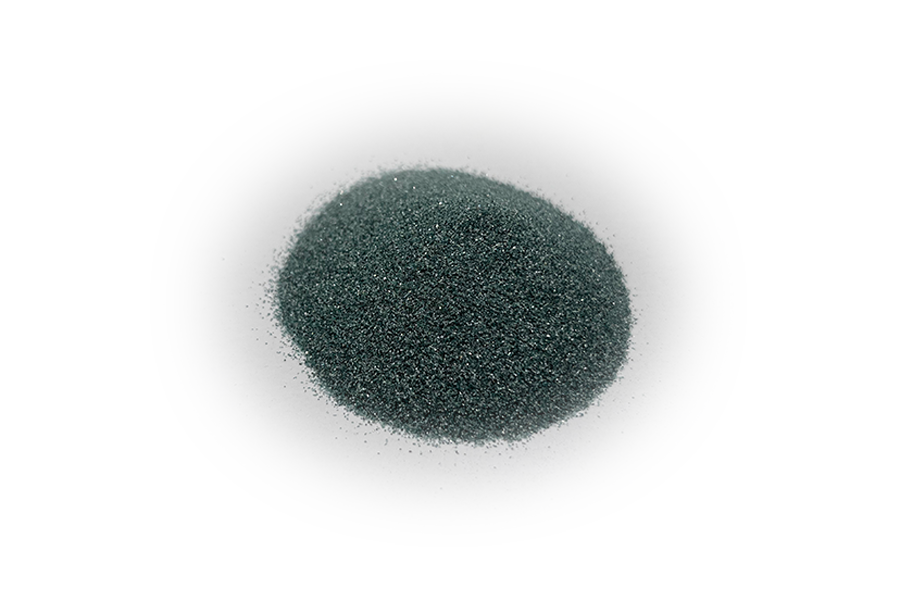
In recent months, the price of steel fiber has shown a noticeable increase, a trend that has caught the attention of many sectors reliant on this critical construction and industrial material. Steel fiber, known for its excellent properties such as enhancing concrete strength, reducing cracking, and improving durability, plays a significant role in various applications including construction, infrastructure, and refractory materials manufacturing.
Steel fiber’s rising cost is influenced by several factors, including fluctuations in raw material prices, increased demand, global supply chain challenges, and heightened production costs. This price movement has important implications for manufacturers and traders in related sectors, especially those deeply involved in refractory and abrasive raw materials. Among such companies is HENAN JUNSHENG REFRACTORIES LIMITED, a well-established player in the industry with over 20 years of experience.
### Understanding the Price Surge
Steel fiber is generally produced from high-grade steel through processes that demand considerable energy and raw inputs such as iron ore and alloying materials. Recent volatility in the steel market, driven by geopolitical tensions, increased export tariffs, and supply chain disruptions, has led to rising input costs. Additionally, global infrastructure projects and urban developments have spiked demand for steel-based materials, thereby exerting additional upward pressure on prices.
Moreover, the environmental regulations in steel-producing countries have tightened, compelling manufacturers to invest in cleaner technologies and reduce emissions, which also adds to production costs. This combination of factors has culminated in a steady increase in steel fiber pricing, prompting manufacturers and consumers to reassess their procurement strategies.
### Impact on Refractory and Abrasive Raw Materials Sector
The refractory industry, which produces materials resistant to extreme temperatures and chemical corrosion for use in furnaces, kilns, incinerators, and reactors, critically depends on raw materials like steel fiber to enhance product performance. Steel fiber contributes to the strength, thermal shock resistance, and durability of refractory products.
HENAN JUNSHENG REFRACTORIES LIMITED, a manufacturer and trader specializing in refractory and abrasive raw materials, has witnessed firsthand the implications of rising steel fiber prices. The company leverages advanced science and technology alongside strict process management and modern equipment to produce a series of high-quality refractory materials. Despite its robust production infrastructure, the increase in steel fiber costs presents both challenges and opportunities for the company.
### HENAN JUNSHENG REFRACTORIES LIMITED: Adapting to Market Changes
With more than two decades of experience, HENAN JUNSHENG REFRACTORIES LIMITED has carved out a reputation for reliability and quality in the refractory materials sector. The company’s strength lies not only in its advanced manufacturing technologies but also in its stringent quality controls and innovative approach to product development.
In response to the steel fiber price hikes, the company has adopted a multi-faceted strategy to ensure continuity in supply and product excellence:
1. **Optimizing Raw Material Use:** By refining product formulas and optimizing the amount of steel fiber required without compromising on quality, the company strives to maintain cost-effectiveness in its production process.
2. **Diversifying Supplier Base:** To mitigate supply risks, HENAN JUNSHENG REFRACTORIES LIMITED is actively expanding its supplier network, sourcing steel fiber and alternative raw materials from various regional and international markets.
3. **Investing in R&D:** The company is increasing its investment in research and development to identify suitable substitute materials and innovative composites that could lessen dependency on steel fiber while maintaining or improving product performance.
4. **Strengthening Customer Relationships:** Transparent communication with clients about price adjustments and the reasons behind them ensures sustained trust and collaborative problem-solving in project planning.
### Market Outlook and Future Prospects
The upward trend in steel fiber prices is expected to stabilize gradually as supply chains adjust and new production capacities come online. However, price volatility could persist in the short term due to ongoing global economic uncertainties.
For companies like HENAN JUNSHENG REFRACTORIES LIMITED, these market dynamics underscore the importance of innovation, flexibility, and resilience. By focusing on quality enhancement and operational efficiency, the company positions itself well to navigate cost pressures and sustain growth.
The demand for high-performance refractory materials continues to rise, driven by expanding industrial activities, particularly in steel production, cement manufacturing, and energy sectors. As infrastructure development accelerates globally, refractory products will remain critical, with steel fiber playing a key role.
### Conclusion
The recent rise in steel fiber prices reflects broader shifts in global raw material markets and poses challenges for related industries. HENAN JUNSHENG REFRACTORIES LIMITED exemplifies a proactive and strategic approach in responding to these changes, leveraging its technological expertise and industry experience.
The company’s commitment to quality, innovation, and customer-centric service provides a strong foundation to withstand market fluctuations. As the refractory and abrasive raw materials industry evolves, companies that adapt swiftly and innovate continuously will lead the way in delivering materials that meet the demanding needs of modern industrial applications.
In summary, while cost pressures from steel fiber price increases are evident, they also stimulate advancements in production processes and material science, driving the refractory industry toward a more sustainable and efficient future.